In stock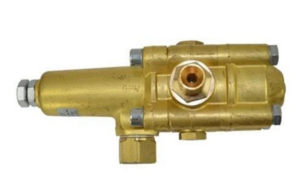


A hot-water machine that makes pressure but no heat is costing you on every job. Find out whether the coil is really the failure, what caused it, and whether repair protects uptime better than replacement.
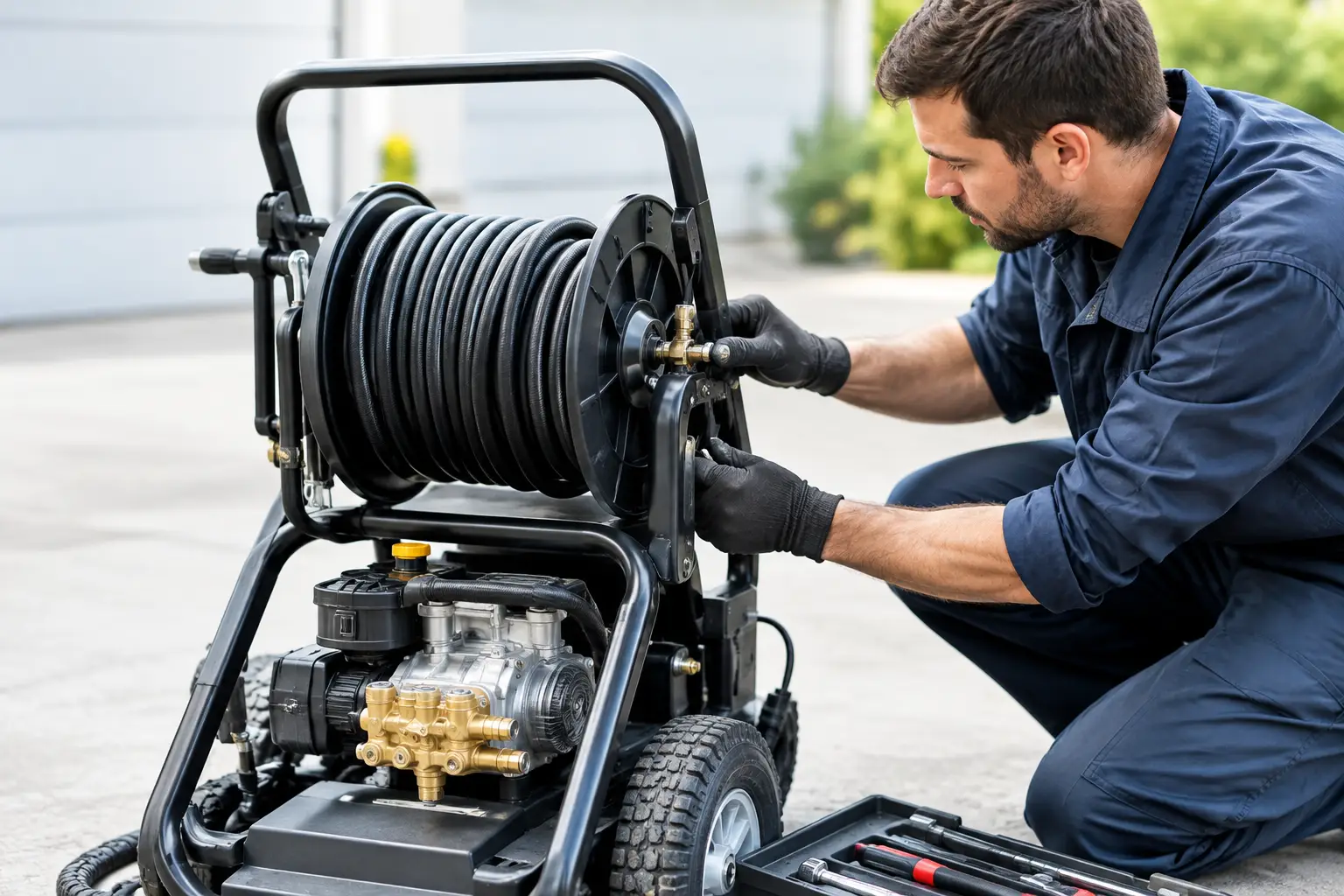
A hot-water machine that still has pressure but will not make heat is not just an inconvenience. It slows grease removal, makes fleet washing harder, and can leave a crew behind schedule on a contracted job. A proper pressure washer coil repair service starts by determining whether the coil is actually the failure, what caused the problem, and whether repair protects uptime better than replacement.
The coil is the heat exchanger inside a hot-water pressure washer. Water moves through a long length of tightly wound steel tubing while the burner heats the outside of that tubing. When the system is working correctly, the machine delivers hot water at the gun without overheating the coil, damaging the pump, or creating a safety issue. When it is not, the symptoms can look similar even though the repair is very different.
A coil should not be condemned because a machine is running cold. Burner-related problems are often the real cause. A failed ignition system, weak fuel pump, dirty fuel nozzle, plugged fuel filter, faulty flow switch, bad thermostat, or incorrect air-band adjustment can all stop the machine from producing heat while the coil itself remains serviceable. (Work through those first with hot water burner troubleshooting.)
The first job is to separate a heating-system problem from a coil problem. Technicians inspect the burner flame, verify fuel delivery, check electrical safeties, and confirm that adequate water is flowing through the machine. A hot-water washer needs its rated flow through the coil. Low incoming water, a restricted inlet, a failing pump, or a plugged nozzle can reduce flow and create conditions that overheat the coil.
Once the burner and water supply are checked, the coil gets a closer inspection. A visible drip or steam from the coil cabinet is an obvious clue, but many leaks only show up after the machine reaches operating temperature. Pinholes may open as the steel expands under heat and close again when it cools. Pressure testing, visual inspection, and checking for unusual moisture or rust inside the burner chamber help locate those failures.
A good diagnosis also looks for the reason the coil failed. Repairing a split tube without addressing scale buildup, a burner that is firing too hot, or an operator habit of running the machine with poor water flow simply sets up the next failure.
Hard water is a coil’s long-term enemy. Minerals cling to the inside of the tubing and gradually reduce the passage available for water. As the restriction grows, the machine may lose pressure, the pump may work harder, and water can stay in the coil too long. That raises coil temperature and increases the chance of tube damage.
Scale does not always produce a sudden failure. A contractor may first notice that heat recovery is inconsistent, the burner cycles differently, or pressure drops during long runs. Descaling can be effective when the coil is structurally sound and the restriction has been identified early. It is not a cure for tubing that has already thinned, split, or corroded through.
Water left in a coil during freezing conditions can split the tubing or push apart a weakened section. The problem may not be obvious until spring, when the machine is started and water begins pouring into the coil housing. Freeze damage is often widespread, especially if the unit sat with plain water in it through multiple hard freezes.
A single accessible split may be repairable. Multiple leaks across the coil usually point to replacement. The visible leak is not always the only damaged area, and patching one section can be a short-lived answer if the coil has been stressed throughout.
Coils live in a harsh environment. Heat, moisture, road salt, detergent vapors, soot, and poor combustion all take a toll. External corrosion can thin the coil wall from the outside, while a burner adjusted too rich can leave soot on the coil and reduce heat transfer. Soot buildup makes the burner work harder, wastes fuel, and can create excessively high temperatures in parts of the coil.
A machine that has been run with a dirty burner chamber may need more than a coil repair. The burner nozzle, electrodes, transformer or igniter, fuel pressure, air shutter, and chimney path should all be checked. Replacing a coil while leaving a bad combustion condition in place is expensive repetition.
The coil depends on moving water to carry heat away. If flow is restricted by a clogged nozzle, undersized nozzle, worn pump, plugged inlet filter, kinked hose, or poor water supply, the coil can overheat. Thermal relief components and safety controls are there to limit damage, but they are not meant to compensate for an ongoing flow problem.
This is why PSI alone does not tell the whole story. GPM determines how much water moves through the heating system — more on that in how to choose pressure washer PSI and GPM. A nozzle matched to the machine’s pressure and flow rating matters as much as the pump and burner condition; the nozzle sizing calculator gives you the right orifice.
There is no honest one-size-fits-all answer. The right decision depends on the coil’s age, number and location of leaks, wall condition, availability of the correct replacement, and the value of the machine around it.
A localized leak in a coil with clean, solid tubing may be weld-repairable. The repair needs to be completed by someone who understands pressure-bearing tubing and can test the work before the machine returns to service. A patch that holds cold water in the shop but fails under operating pressure and heat is not a repair.
A recoil can make sense on certain coil designs, particularly when the outer tubing is damaged but the frame and heater assembly are otherwise in good condition. This is specialized work, and not every coil or cabinet is a good candidate. Fit, tubing size, coil length, flow rating, and heat output all have to match the machine.
Replacement is generally the better call when corrosion is widespread, freeze damage has created multiple leaks, scale has severely restricted the tubing, or prior repairs are accumulating. It can also be the right answer when labor to access, repair, test, and reinstall an old coil approaches the installed cost of a new one.
That conversation should include the condition of the entire washer. If the pump is worn out, the burner has major issues, the frame is deteriorated, and the coil is leaking, putting money into only one component may not be the best business decision — and a new hot-water unit may be the better spend. A repair shop should show the estimate before work begins and tell you plainly when replacement value makes more sense.
A real coil repair is more than stopping a leak. The machine should be inspected for the conditions that caused the failure and tested as a complete hot-water system after repair. That means verifying water flow, operating pressure, burner ignition, flame quality, fuel delivery, thermostat operation, safety controls, and heat output at the gun.
For field operators, the practical question is whether the machine can return to revenue work without creating another failure next week. A proper service process also checks related wear items such as nozzles, hoses, quick connects, unloaders, and thermal relief valves (here is how to tell those last two apart). These parts affect water flow and safety, so they belong in the conversation even when the original complaint is a coil leak.
At Dieter’s Industrial, the repair bay services equipment across major brands, not only machines sold through the counter. That matters when a contractor is running older equipment, a mixed fleet, or a purpose-built rig that cannot sit idle while a generic shop guesses at the problem.
Coil life comes down to water quality, adequate flow, clean combustion, and proper storage. If your water is hard, build descaling into your maintenance schedule instead of waiting for a restriction. The schedule depends on water conditions and run hours, so a fleet washing operation may need attention sooner than an occasional mobile cleaner.
Use the correct nozzle size, keep inlet filters clean, and do not run a hot-water washer on a weak water supply. Watch for changes in pressure or burner sound instead of pushing through them. A burner that starts smoking, rumbling, cycling erratically, or leaving soot needs attention before it turns into a coil problem.
Winterization is equally direct: do it before the first freeze, not after the forecast becomes certain. Protect the coil, pump, hoses, and accessories with the correct antifreeze procedure for the equipment — and if you keep working through the cold months, read washing a fleet in winter. A few minutes of preparation is far cheaper than replacing a cracked heat exchanger.
When your hot-water washer loses heat, leaks inside the cabinet, or starts acting differently under load, stop treating it as a minor nuisance. Get the cause identified while the repair is still limited to the part that actually failed.
Everything the guide mentions, on the shelf in Lewisberry and shipped same day on orders in by 2 pm.
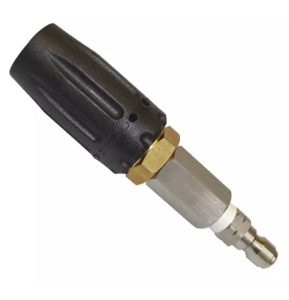
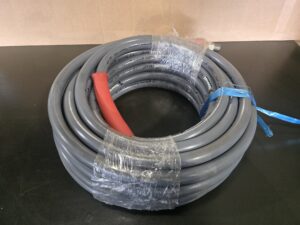
If the checks above did not get it running, stop throwing parts at it. Drop it at the shop in Lewisberry or ship it in, we diagnose it, and you get a number before any work starts. Every brand, not just the ones we sell.
We will pre-fill "Burner won't fire / smokes" on the form — change it if that is not quite it.