

Washwater Disposal Regulations for Contractors
A dirty-water problem can turn a profitable wash job into a customer complaint, a municipal citation, or both. Start with where the water will travel before you pull the trigger.
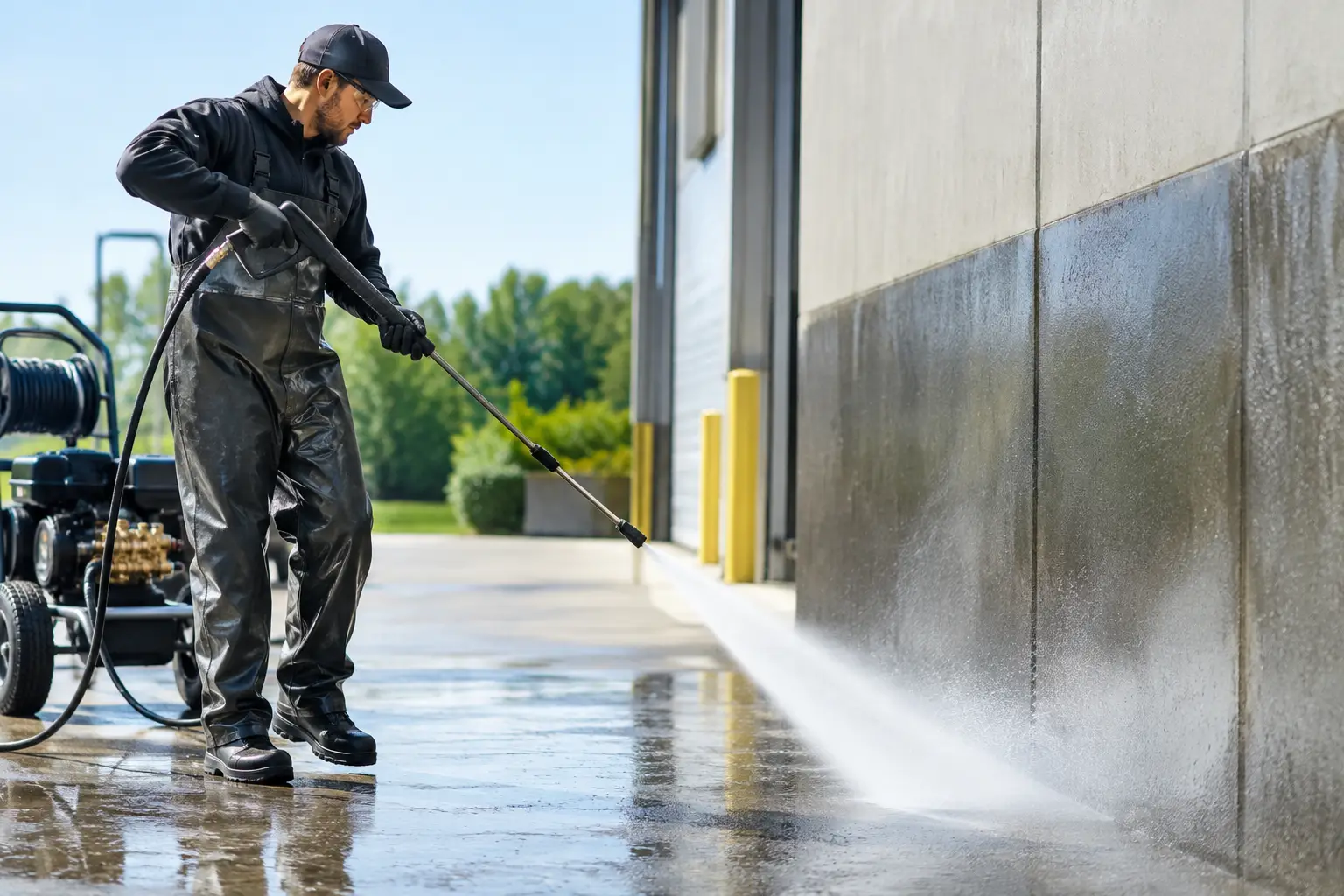
A dirty-water problem can turn a profitable wash job into a customer complaint, a municipal citation, or both. Washwater disposal regulations are not a side issue to handle after the crew packs up. They affect where you stage the rig, which chemicals you use, how you wash, and whether the water leaving the work area has a legal place to go.
For a professional contractor, the rule is simple: do not assume a drain, curb, ditch, or gravel lot is an acceptable discharge point. Start with where the water will travel before you pull the trigger.
The two drainage systems are not interchangeable
Most disposal mistakes begin with one bad assumption: a drain is a drain. It is not.
A storm drain is generally intended to carry rainwater to a creek, stream, retention basin, or other waterway. In many areas, anything sent into that system receives little or no treatment. That means washwater containing dirt, oil, grease, detergents, degreasers, paint residue, animal waste, metals, or other contaminants may be considered an illicit discharge.
A sanitary sewer carries wastewater to a treatment facility. That does not mean a contractor can discharge anything into it at will. The local sewer authority may have limits on pH, temperature, oil and grease, suspended solids, detergents, solvents, and volume. It may require written approval, a discharge permit, a cleanout connection, or pretreatment before discharge.
The right disposal route depends on the job and the local authority. If you are washing a parking garage, fleet yard, restaurant pad, agricultural facility, or building exterior, verify the route with the property owner and the sewer or stormwater authority before the work starts. A customer saying, "We always wash it into that drain," is not permission and will not protect your business.
What washwater disposal regulations usually focus on
Federal clean-water requirements establish the broad prohibition against sending pollutants to waters of the United States without authorization. State environmental agencies, municipal separate storm sewer system programs, sewer authorities, and local ordinances handle much of the field-level enforcement.
For contractors, the practical question is not which agency has the longest rulebook. The question is what is in the water, where it is going, and whether that discharge is authorized.
Relatively clean rinse water is still not automatically acceptable. Washing a dusty sidewalk with plain water may create a lower-risk discharge than degreasing an oily loading dock, but it can still carry sediment, detergent residues, litter, and contaminants into a storm system. The material being removed matters as much as the soap being applied.
High-risk washwater commonly includes oil and fuel residue from fleet washing, grease from restaurant work, detergents from house washing, paint chips from surface prep, mineral scale from industrial cleaning, and manure or nutrient-laden runoff from agricultural washdowns. Hot-water washing can also create disposal issues where sewer temperature limits apply.
Start with the job, not the drain
A workable compliance plan starts during estimating, not when water is already running across the pavement. Walk the site and identify storm inlets, trench drains, curb lines, catch basins, sanitary cleanouts, low spots, nearby waterways, and areas where water can leave the property.
Then identify the soil load. A cosmetic building wash, a muddy equipment rinse, and an oil-stained fleet pad are three different disposal problems. Match your recovery method, detergent choice, and labor allowance to the actual contaminants.
For jobs with significant oil, grease, chemicals, or solids, containment and recovery should be part of the quoted scope. That can mean drain covers, berms, vacuum recovery, sump pumps, reclaim tanks, filtration, settling, or hauling recovered water to an approved disposal facility. Recovery equipment costs money and takes time to deploy, but that cost is easier to manage in the estimate than after an inspector, customer, or property manager calls about runoff.
Verify the sanitary connection before using it
If a facility offers a sanitary drain, confirm that it is actually sanitary. Floor drains, trench drains, shop sinks, and exterior cleanouts do not all lead to the same place. Older facilities can be especially confusing, and some drains discharge to an oil-water separator, holding tank, septic system, or storm system rather than the municipal sewer.
Ask who owns the sewer connection and whether the local authority has discharge limits or approval requirements. Get the answer in writing when the job involves recurring service, large volumes, strong cleaners, or industrial contamination. If you need to adjust pH, remove solids, separate oil, or cool water before discharge, build that process into the job plan.
Do not force recovery water into a customer's plumbing because it is convenient. A clogged line, backed-up floor drain, or overloaded separator can become your problem quickly.
Containment and recovery need to match the work
There is no single recovery setup that fits every contract. A storefront sidewalk may only need inlet protection and controlled wash direction. A greasy dumpster pad or fleet maintenance area may require full berming, vacuum recovery, settling, and off-site disposal.
The pressure washer itself affects the plan. Higher GPM gets jobs done faster, but it also produces more water to manage. A 8 GPM machine can put 480 gallons on the ground in an hour before accounting for rinse water. That may be the right tool for production cleaning, but only if your recovery system and disposal route can keep up.
Hot-water equipment can reduce chemical use and improve grease removal, especially on fleet and food-service work. The trade-off is that it can mobilize more contamination and create warmer wastewater. Use the heat because the job requires it, not because more heat sounds better.
Chemical selection matters too. A detergent that cleans well but creates a disposal issue is not a cheap chemical. Read the product documentation, understand its pH and intended use, and avoid applying more than the surface and recovery plan can handle. Never treat an SDS as a disposal authorization. It gives handling and hazard information, but the receiving authority still sets discharge conditions.
Common field mistakes that create avoidable trouble
The obvious mistake is washing directly toward a storm drain. The less obvious ones are just as common: removing a drain cover before recovery is complete, letting a vacuum tank overflow, rinsing recovery equipment in the parking lot, or leaving contaminated filter media at the customer's dumpster.
Watch for these jobsite failures:
- Treating a curb inlet as a disposal point because it is already collecting water.
- Assuming biodegradable detergent makes storm discharge acceptable.
- Washing oil, grease, paint chips, or cleaning chemicals into gravel or soil.
- Using a customer's drain without confirming where it leads.
- Failing to maintain recovery hoses, vacuum seals, filters, and holding tanks.
- Letting a subcontractor handle washwater without a defined disposal procedure.
The equipment side deserves attention. A recovery system is only useful when it works at the pace of the wash crew. Inspect vacuum hoses for leaks, clean filters before they restrict flow, check float switches, test pumps, and make sure tank capacity fits the production rate. Just as a bad unloader can put a pressure washer out of service, a neglected recovery vacuum can stop a compliance-sensitive job halfway through.
Documentation protects the contractor and the customer
For recurring commercial work, keep a simple job file. It should identify the discharge route, the site contact who approved access, products used, recovery method, estimated volume, and final disposal method. Photos taken before and after the work can show drain protection, containment, and a clean site.
This is not paperwork for paperwork's sake. It gives the crew a repeatable plan and gives the customer evidence that the work was performed responsibly. It also helps when a new site manager asks why your proposal includes recovery time while a low-bid competitor plans to wash everything to the curb.
Train every technician to stop work when water is moving somewhere it should not. A crew should not need management approval to cover an inlet, shut off the machine, or correct a failed berm. Fast decisions at the jobsite prevent expensive explanations later.
Pennsylvania contractors need local answers
For operators around Harrisburg, York, Lancaster, Lebanon, and the rest of Central Pennsylvania, requirements can change from one municipality or sewer authority to the next. Pennsylvania environmental rules provide the larger framework, but local stormwater programs and publicly owned treatment works often set the actual discharge conditions at a given address.
Agricultural jobs add another layer. Washing barns, livestock trailers, equipment, and food-production areas can involve manure, nutrients, disinfectants, washwater storage, and runoff controls. Do not assume a rural property has fewer rules. The environmental risk can be higher when runoff reaches a ditch, stream, or drainage channel.
When the disposal path is unclear, treat the water as something to contain and recover until the owner or authority provides a verified option. That approach costs less than gambling on a drain that leads straight to the wrong place.