


Pump Cavitation: Causes, Damage, and Field Fixes
A pressure washer that sounds like it is pumping gravel is not a machine you should run until the job is finished. That rough rattling, surging pressure, or sudden loss of output may be pump cavitation.
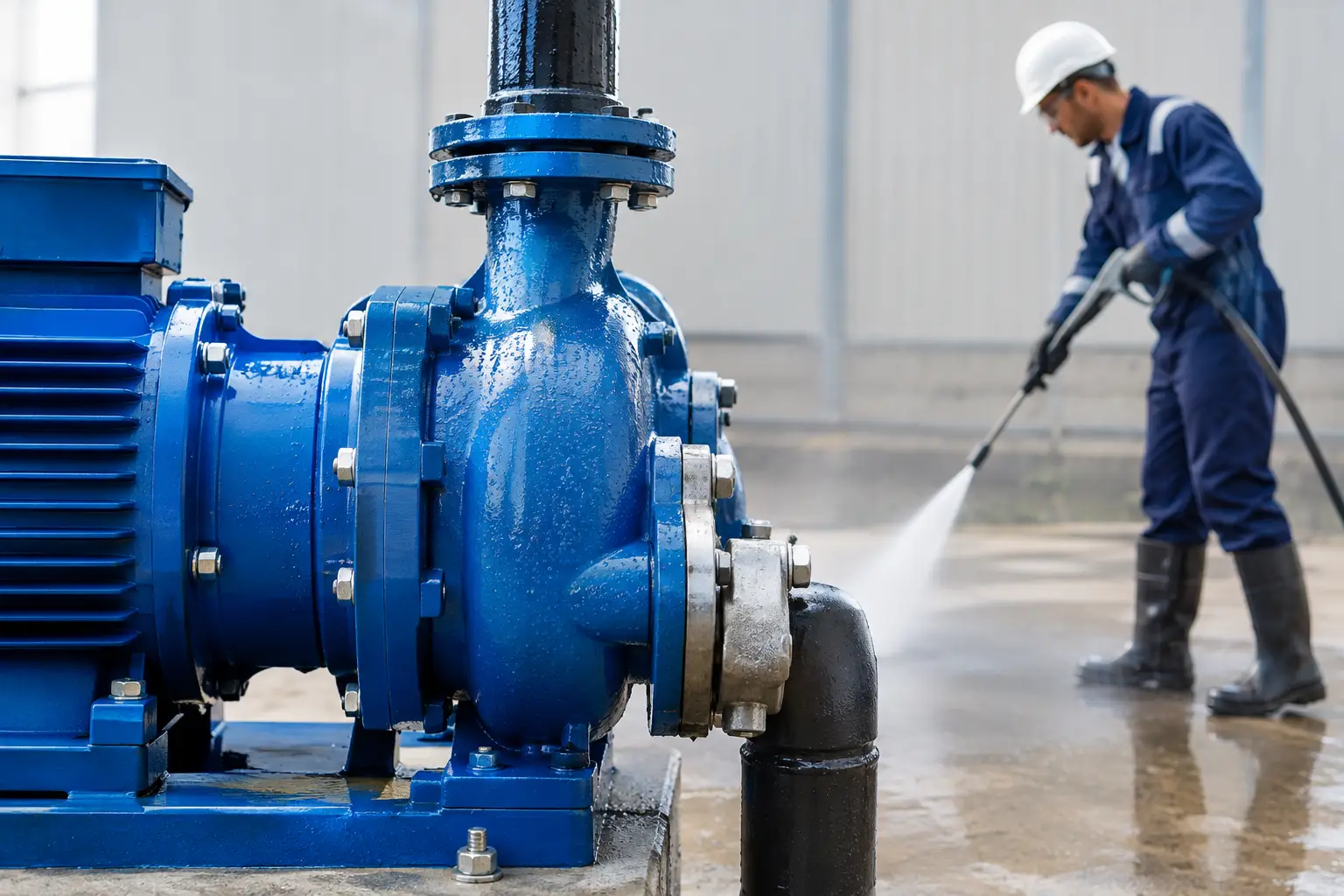
A pressure washer that sounds like it is pumping gravel is not a machine you should run until the job is finished. That rough rattling, surging pressure, or sudden loss of output may be pump cavitation. Left alone, it can turn a simple water-supply problem into damaged valves, plungers, packings, and a repair bill that takes the machine out of service when you need it most.
For commercial washing operators, cavitation is usually not a mysterious pump failure. It is a water-inlet problem with a mechanical consequence. The pump is trying to move more water than it is receiving, or the water arriving at the pump is carrying air, heat, or restriction with it.
What Pump Cavitation Actually Is
A positive-displacement pressure-washer pump needs a steady, flooded water supply at its inlet. When inlet pressure drops too low, the pump creates low-pressure zones where water can flash into vapor bubbles. Those bubbles collapse as pressure rises inside the pump. That collapse is violent on a small scale, and it can pit metal surfaces and hammer internal components.
Cavitation is different from ordinary pressure fluctuation caused by an unloader setting, a worn nozzle, or a leaking gun. Those issues can create surging, but cavitation often brings a distinctive gravelly or knocking sound. The pump may run hot, the hose may pulse, and pressure may fall off under trigger. On a severe case, you may see damage to check valves, valve seats, manifolds, plungers, or packings after the machine comes apart.
The practical point is simple: a pump cannot make up for inadequate inlet water. More engine RPM will not fix it. Neither will turning up the unloader.
Why Cavitation Shows Up on Pressure-Washing Rigs
Most commercial pressure washers are built around pumps that demand more water than many operators realize. A 4 GPM machine needs more than 4 GPM available at the pump. The source must supply that flow consistently, with enough inlet pressure to overcome hose length, filter restriction, elevation changes, fittings, and any demand from other equipment on the same water line.
A weak municipal connection can cause trouble, especially at a customer site where someone is also running sprinklers, filling tanks, or using water inside the building. Well systems can create the same problem when the well recovery rate or pressure tank cannot keep up with the washer. Agricultural washdown sites often have long supply runs and fittings that look adequate until the pump is under load.
Water tanks introduce another set of variables. A tank-fed rig needs the correct outlet size, unrestricted plumbing, proper venting, and a tank outlet positioned so the pump stays flooded. A tank can be full and still starve a pump if the outlet valve is undersized, a strainer is clogged, the pickup line is collapsing, or the tank vent is blocked.
Hot water makes the margin smaller. As water temperature rises, it vaporizes more easily under low pressure. That is one reason a pump that behaves normally on a cold-water unit can start acting up after recirculating in bypass or after being fed unusually warm source water.
Common Causes of Pump Cavitation
Start at the water source, not at the pump head. The most common causes are basic, and most can be found without disassembling the machine.
An undersized garden hose is a frequent offender. A 5/8-inch hose may work acceptably on a lower-flow machine over a short distance, but it can become a restriction on a higher-GPM unit or a long run. Hose condition matters too. A soft, damaged, or kinked hose can collapse under suction at the pump inlet.
Restricted inlet screens and filters are another regular cause. The screen at the garden-hose connection, a canister strainer on a tank-fed system, or debris in a quick-connect fitting can all limit flow. Operators sometimes remove screens after finding debris, but that trades a flow problem for valve damage later. Clean or replace the screen. Do not run unfiltered water into a commercial pump just to get through the day.
Air leaks on the inlet side can be harder to spot. Unlike a high-pressure leak, an inlet leak may not drip water. Instead, it lets air into the system. Check loose hose clamps, cracked inlet fittings, worn quick connects, damaged O-rings, and thread sealant failures. If clear inlet plumbing is installed, air bubbles are an obvious clue. If it is not, listen for the pump and inspect every connection between the source and inlet.
Other common contributors include a partially closed supply valve, a blocked tank vent, a source line shared with another high-demand fixture, excessive lift from a tank below the pump, and water that is too hot. Any one issue may be enough to cause trouble. Several minor restrictions together are often worse.
What Cavitation Damage Looks Like in the Repair Bay
Cavitation does not always announce itself with immediate failure. A machine may still make usable pressure while internal damage is accumulating. That is why operators sometimes continue working until the pump starts leaking, loses pressure permanently, or develops a hard knock.
On inspection, cavitation damage can show up as pitting or erosion around valve components and in the manifold. Check valves may not seat cleanly after repeated hammering. Packings can wear prematurely when plungers run hotter than they should. In severe situations, damaged components allow water past areas that should stay dry, which can lead to crankcase contamination and much larger pump repairs.
The trade-off is worth understanding: stopping a machine for a supply-side check can cost part of a job. Running a cavitating pump can cost a pump. For a contractor with scheduled fleet work or a recurring agricultural account, that is usually an easy decision.
A Practical Diagnostic Order
Before adjusting pressure settings or ordering pump parts, verify that the machine has enough water. With the engine off and the trigger gun open, disconnect the inlet hose from the pump and check the source flow into a bucket. You are looking for a strong, consistent supply, not a trickle that briefly looks acceptable. The source should exceed the machine's rated GPM with room to spare.
Next, inspect the entire inlet path. Straighten the hose, remove kinks, clean the inlet screen, inspect quick connects, and make sure all valves are fully open. If you are using a tank, inspect the outlet fitting, ball valve, filter, plumbing size, and vent. Confirm that water reaches the pump by gravity where the rig design calls for a flooded inlet.
Then test the machine with the shortest practical, known-good supply hose. If the noise and pressure problem disappear, the issue is likely upstream of the pump. If the problem remains after you have verified flow, checked for air leaks, and substituted known-good inlet components, it is time to inspect the pump, unloader, and thermal relief system.
Do not diagnose cavitation with the trigger closed. A unit sitting in bypass can heat its water quickly, especially if the thermal relief valve is not working correctly. Test with a proper nozzle installed, water flowing, and appropriate protective equipment in place.
Preventing Cavitation Before It Starts
Match supply plumbing to machine flow, not to whatever hose is already on the truck. Higher-GPM washers need larger, shorter inlet hoses and fittings with adequate internal diameter. Avoid stacking restrictive adapters at the inlet. Keep spare screens, O-rings, and quick-connect fittings in the service kit, because a small damaged seal can create a large troubleshooting delay.
For tank-fed systems, build the inlet side generously. A properly sized bulkhead fitting, full-port valve, adequate hose diameter, accessible strainer, and vented tank are cheaper than repeated pump repairs. The exact layout depends on the pump's flow demand and whether the equipment is mounted on a trailer, truck, or skid, but the principle does not change: make it easy for water to reach the pump.
Pay attention to bypass operation as well. An unloader that sends hot bypass water back to a small tank can raise water temperature and increase cavitation risk. Some systems need a bypass arrangement that returns water to a location where it can cool, while others need the operator to avoid extended trigger-off time altogether. The right answer depends on the rig and the job, but endless bypass is never good pump practice.
If a machine is still noisy after basic inlet checks, do not keep swapping parts blindly. A technician who works on commercial washers every day can separate a supply problem from worn valves, unloader trouble, or internal pump damage before the repair turns into guesswork.
Your pump does not need perfect water conditions. It needs enough clean, cool water delivered without restriction or air. Build that margin into the rig, check it before a demanding job, and the pump is far more likely to stay where it belongs: making pressure instead of making problems.
Send it to us.
If the checks above did not get it running, stop throwing parts at it. Drop it at the shop in Lewisberry or ship it in, we diagnose it, and you get a number before any work starts. Every brand, not just the ones we sell.
We will pre-fill "Pump noise or damage" on the form — change it if that is not quite it.