In stock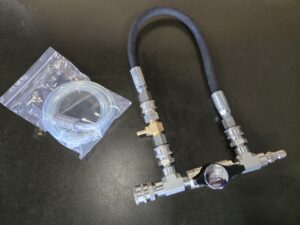


A chemical injector not drawing soap is usually not a mysterious pump failure. It is being asked to pull chemical under conditions that will not let it work. Here is the order to find out which one.
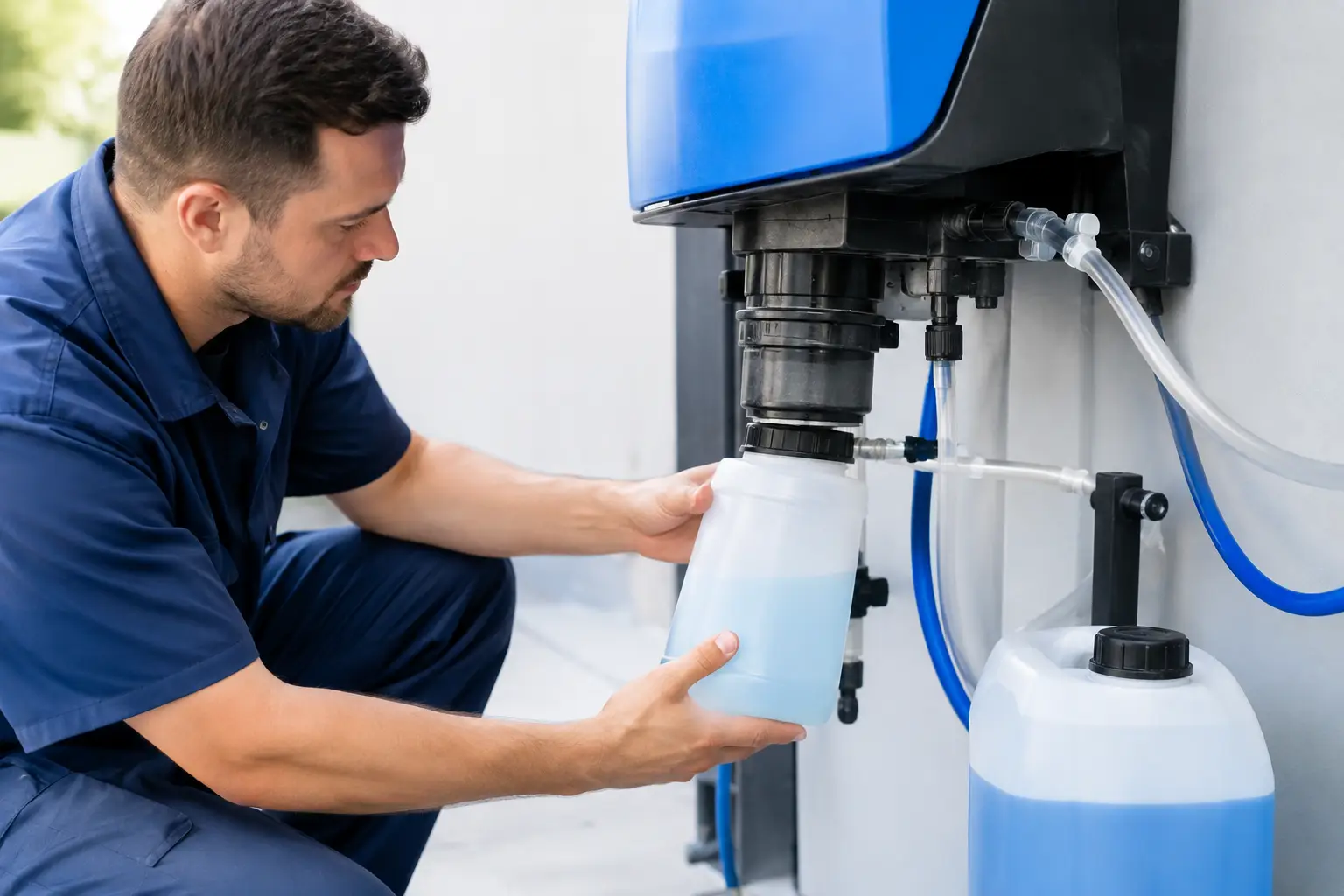
A chemical injector not drawing soap is usually not a mystery pump failure. Most of the time, the injector is being asked to pull chemical under conditions that will not let it work: the wrong nozzle is installed, a fitting is restricted, the pickup side is leaking air, or the injector is simply worn out.
Start with the job, not the parts catalog. A downstream injector works by creating a pressure drop at the injector body. It needs enough water flow through it and low enough backpressure after it to pull detergent from the bucket. Change either side of that equation and soap draw disappears.
The nozzle is the first thing to check because it is also the most common cause. A standard high-pressure spray tip creates too much backpressure for a downstream injector to pull chemical. Your machine may still make excellent pressure, but the injector will not draw a drop.
Install the correct low-pressure soap nozzle, often called a chemical tip. On many setups, that is the black tip. Some commercial systems use a dedicated low-pressure nozzle sized specifically to the machine’s gallons per minute. Do not assume any wide-fan nozzle will work. A nozzle can have a broad spray pattern and still be too restrictive for chemical application.
Nozzle size matters as much as nozzle color. A tip sized for a 4 GPM machine may not give proper draw on an 8 GPM unit. Likewise, an oversized nozzle can reduce working pressure so much that cleaning performance suffers. Match the nozzle orifice to the machine’s actual GPM and pressure rating, then verify that it is intended for downstream chemical use. The nozzle sizing calculator will give you the right orifice for your pressure and flow.
Before moving on, check the nozzle for debris or damage. A partially plugged soap tip can reduce flow enough to stop draw. A worn tip may draw chemical but leave you with poor pressure and uneven results. Keeping a known-good chemical nozzle in the truck turns this step into a quick field check rather than a guessing game.
A downstream injector is normally installed on the pressure side of the pump, before the high-pressure hose, and it draws chemical after the pump. The body should have an arrow showing water-flow direction. If it is installed backward, it will not siphon properly.
The chemical barb or hose connection is on the low-pressure pickup side. That side must be airtight. A loose hose, split tubing, cracked pickup filter, or fitting that does not seal can pull air instead of soap. The injector may look fine from the outside while the pickup tube quietly bubbles in the chemical container.
Pull the pickup hose off and inspect it end to end. Pay close attention to the first few inches near the barb and to the section that rides over the edge of the bucket. Chemical hose gets stiff, swells, and cracks with age. Replace questionable tubing rather than trimming it repeatedly until it is too short to reach the container safely.
Also inspect the check valve or metering valve, if your setup has one. A stuck check ball, contaminated spring, or plugged filter can block chemical flow. These components are small, but they see concentrated detergent, dirt, and occasional freeze damage. Clean them only if the manufacturer allows service. Otherwise, replacement is usually faster and more dependable.
Do not diagnose the system with thick degreaser, sodium hypochlorite mix, or a bucket of unknown chemical. Put the pickup tube in clean water first. With the machine running and the proper soap nozzle installed, you should see water move through the tube within a few seconds.
If it draws water but not detergent, the injector is functioning. The issue is likely chemical viscosity, a clogged pickup filter, a closed metering valve, or a product that is not suited to downstream use at that dilution. Cold weather can make some detergents noticeably thicker, especially in an unheated trailer.
If it does not draw water, disconnect the injector pickup tube and inspect the barb for buildup. Then verify the injector’s flow rating. A 2 to 3 GPM injector on a 5.5 GPM machine is not a close-enough match. It can restrict water flow, hurt pressure, and fail to create consistent chemical draw. Commercial equipment should use an injector rated for the machine’s actual flow, with an appropriate pressure range.
Anything downstream of the injector can raise backpressure and reduce draw. The obvious culprit is the wrong nozzle, but it is not the only one. A plugged gun, undersized hose, restrictive swivel, blocked surface-cleaner connection, or too-small fitting can interfere with siphoning.
Hose length deserves a realistic look. A properly sized injector can often draw through a long hose run, but every additional restriction works against it. If the injector draws well with a short test hose and quits with 200 feet of hose deployed, do not immediately blame the injector. Check hose inside diameter, couplers, gun flow path, and nozzle sizing before replacing parts.
This is especially relevant on rigs that have been modified over time. It is common to find a larger-GPM pressure washer feeding old 3/8-inch plumbing, a small gun, or fittings selected for a previous machine. The machine may run, but the system is no longer matched. Chemical draw is often the first problem that exposes it.
A downstream injector does not need maximum gauge pressure to work, but it does need steady water flow. A pump that is starved for water, an unloader that is hunting, or a bypass system that is malfunctioning can create erratic draw or no draw at all.
Watch the machine while triggering the gun. If pressure pulses hard, the engine lugs unusually, or the unloader cycles when it should be stable, solve that problem before condemning the injector. Check the inlet filter, water supply volume, pump valves, unloader setting, and bypass plumbing as appropriate for the machine.
Do not turn the unloader adjustment up just to make soap draw. That can create a different repair bill without fixing the cause. Injector performance depends on a balanced system, not on forcing the pressure setting beyond what the pump, hose, gun, and nozzle are designed to handle.
Injectors are wear items. Detergent, mineral deposits, debris, and normal water flow eventually wear the internal venturi and check components. A failed injector may draw weakly, draw only with very short hose, or quit entirely even when the nozzle, tubing, and flow rating are correct.
Replacement is reasonable after you have verified the basics: correct flow direction, correct chemical nozzle, no air leak on the pickup side, clean filter, adequate water supply, and no downstream restriction. Install the replacement with the arrow toward the gun, use chemical-compatible tubing, and test it with water before putting it back into service.
Be careful with injector selection when using bleach or other aggressive products. Not every injector, check valve, hose, and filter material will tolerate every chemical. A part that works for house wash detergent may not hold up in a bleach-heavy soft-wash application. Match the wetted materials and dilution method to what you are actually applying.
When soap stops drawing on a job, avoid tearing into the pump first. Put the chemical pickup in clean water, install the correct low-pressure chemical nozzle, and inspect the pickup hose for air leaks. Then confirm injector direction and flow rating, followed by the filter, check valve, and downstream restrictions.
That order matters. It separates a five-minute nozzle or tubing correction from an injector replacement, and it keeps a simple chemical problem from turning into unnecessary pump work. For contractors, that means less time diagnosing beside the trailer and more time finishing the work that pays.
Keep one correctly sized soap nozzle, a length of spare chemical tubing, pickup filters, and a matched injector in your service stock. A General Pump injector rated for your machine’s flow is a good place to start. Those are small parts, but when chemical application is part of the cleaning process, they protect the uptime of the whole rig. And if you would rather have the repair bay sort it out, drop it off — we see this exact symptom every week.
Everything the guide mentions, on the shelf in Lewisberry and shipped same day on orders in by 2 pm.
If the checks above did not get it running, stop throwing parts at it. Drop it at the shop in Lewisberry or ship it in, we diagnose it, and you get a number before any work starts. Every brand, not just the ones we sell.
We will pre-fill "Something else" on the form — change it if that is not quite it.